Coastal landscapes in Gulf Breeze, FL, present unique challenges that make proper tree care both more complex and more critical than in inland settings. Located on a peninsula between Pensacola Bay and Santa Rosa Sound, Gulf Breeze properties face salt-laden Gulf winds, sandy low-nutrient soils, and an active hurricane season that can test even the healthiest trees. Understanding how these forces affect local species can help property owners keep their trees safe and thriving year-round.
How Salt Air, Sandy Soil, and Gulf Winds Affect Your Trees
Salt air is one of the most persistent coastal threats. Wind carries salt particles inland from Pensacola Bay and the Gulf of Mexico, depositing them on leaves and bark. Over time, salt draws moisture out of leaf tissue, causing leaf scorch, browning along the edges, and reduced photosynthesis. Trees nearest the water and those with wide, open canopies are most exposed.
Sandy soil compounds the problem. Gulf Breeze soils drain quickly and hold very little water or nutrients. Tree roots in sandy ground can struggle to anchor the tree firmly, particularly after heavy rain softens the soil. Shallow, poorly anchored roots are a significant risk factor when tropical storms push through Escambia and Santa Rosa counties.
Gulf winds add another layer of stress. Steady onshore breezes can cause trees to lean away from the water over time, a condition sometimes called wind pruning. This asymmetric growth weakens overall structure and increases the likelihood of failure during a storm, which is why ongoing tree care is essential for coastal properties.
Which Trees Are Common in Gulf Breeze and How Coastal Stress Shows Up
Three species dominate Gulf Breeze landscapes and each responds to coastal stress in distinct ways.
Live Oaks are remarkably wind-resistant when healthy, with dense, low canopies that can flex under pressure. However, salt accumulation can cause dieback at branch tips, and aging oaks with large, heavy limbs over structures may develop structural weaknesses not obvious from the ground.
Slash Pines are common throughout Santa Rosa County but are more susceptible to salt burn than oaks. Look for needle browning that starts at the tips and works inward. Slash pines also tend to develop shallow root systems in sandy soil, making them prone to windthrow in saturated ground after heavy rain.
Sabal Palms are Florida's state tree and naturally tolerant of salt and wind. They can still suffer from nutrient deficiencies in sandy coastal soils, particularly boron and potassium deficiencies, which show up as frond discoloration and a stunted appearance at the crown.
Coastal Stress Versus Disease: How to Tell the Difference
Signs of coastal stress and tree disease can look similar. Coastal stress typically shows up on the side of the tree facing the water, affecting exposed foliage first. Disease, by contrast, often spreads more randomly or follows internal vascular pathways, showing up throughout the canopy regardless of wind direction. A certified arborist can evaluate root zone conditions, soil samples, and canopy patterns to distinguish between the two.
Pruning Strategies That Improve Wind Resistance
Proper structural pruning is one of the most effective tools in coastal
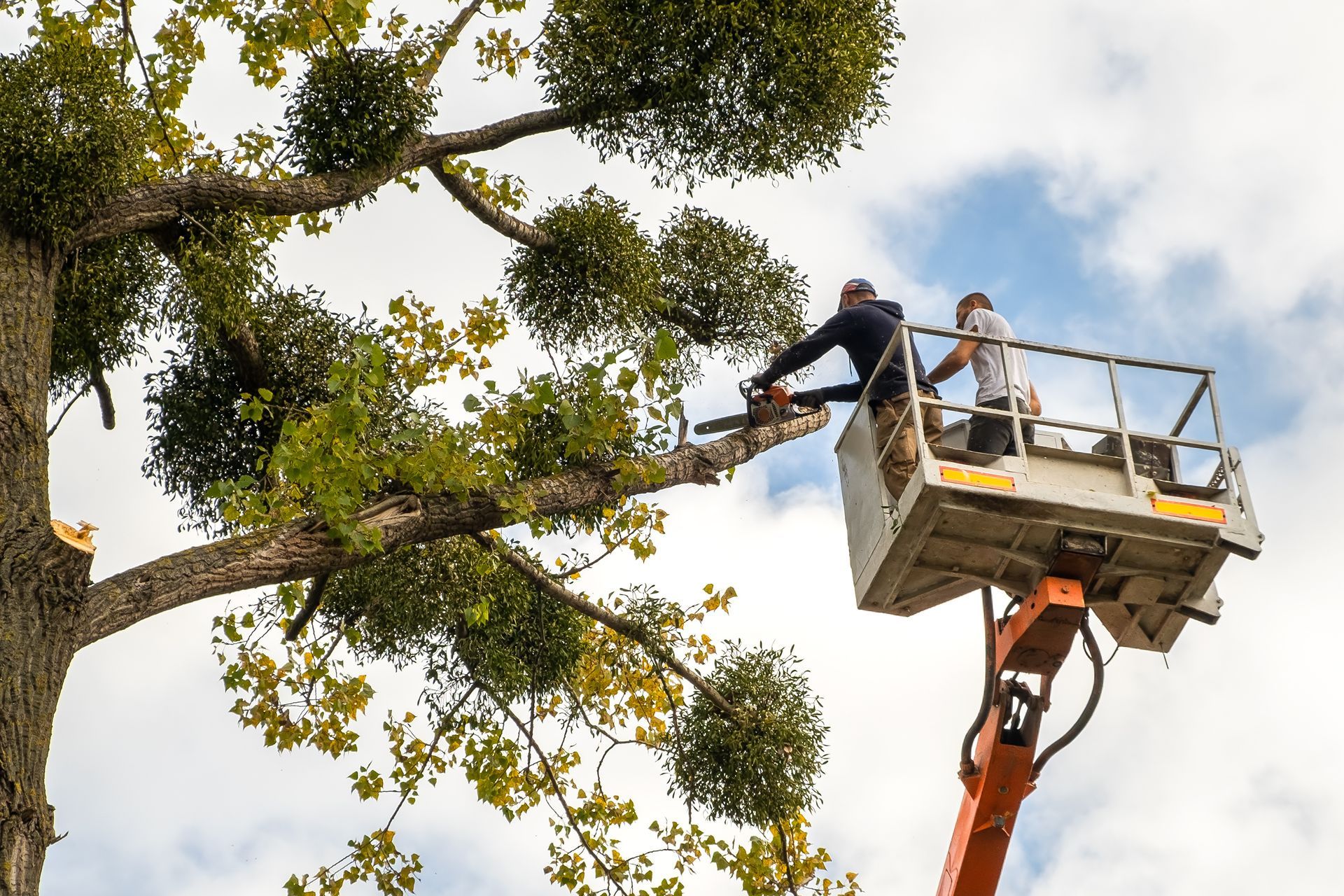
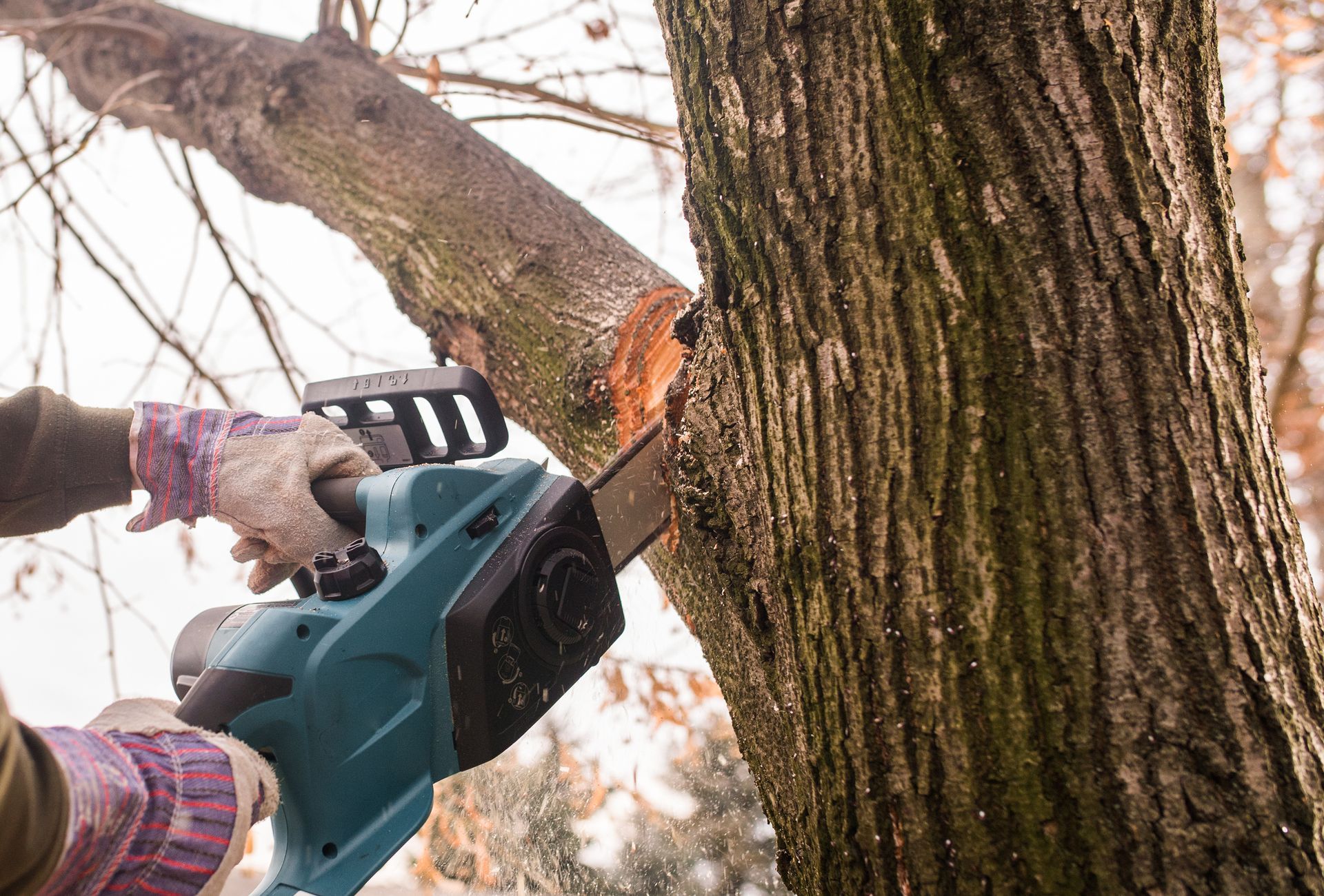
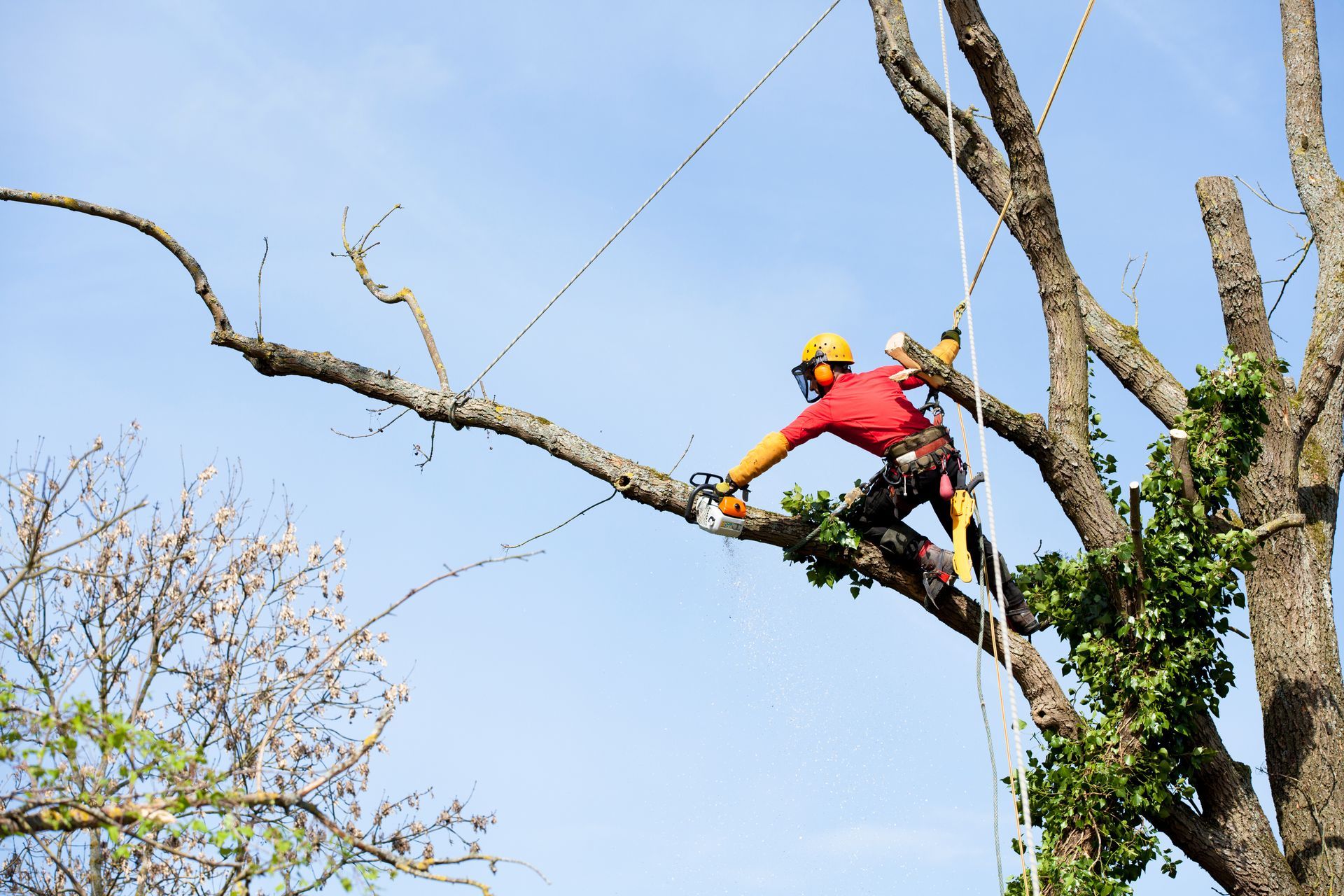
tree care services for reducing storm risk. The goal is to create a canopy that allows wind to pass through rather than catching it like a sail. Key techniques include removing co-dominant stems before they develop bark inclusions that can fail under load, thinning the canopy selectively to reduce wind resistance, eliminating dead or structurally weak branches that could become projectiles, and raising the lower canopy over structures or pedestrian areas.
Topping is never an appropriate response to storm risk. It creates weak, fast-growing regrowth that is more likely to fail in the next storm. Pruning should always follow established arboricultural standards.
Many experienced Gulf Breeze property owners schedule structural pruning in late winter or early spring, before the June-through-November Atlantic hurricane season begins.
When Should I Call a Certified Arborist?
A certified arborist may be necessary when you notice significant dead wood in the upper canopy, cracked or split major limbs, sudden unusual leaning, or signs of decay such as soft wood, fungal conks, or hollow sounds when the trunk is tapped. Any of these conditions can indicate a tree at elevated risk of failure, particularly in a coastal environment where wind loads are higher than average. Tree risk assessment is a structured, professional process that goes well beyond a visual inspection from the ground.
Does Salt Spray Permanently Damage Trees?
Salt spray does not always cause permanent damage, especially when trees are otherwise healthy and exposure is seasonal rather than constant. Flushing affected foliage with fresh water after saltwater events can help reduce accumulation. Mulching the root zone helps retain soil moisture and moderate salt concentration near the roots. Ongoing monitoring by a qualified professional, as part of a regular tree care routine, can catch deterioration early, before a correctable problem becomes an irreversible one.
Take the Next Step for Your Coastal Trees
Effective tree care in coastal environments starts with the right knowledge and the right professional support. A Cut Above Tree Care, Inc. serves Gulf Breeze, FL, and surrounding communities with ISA-certified arborist expertise, structural pruning, tree risk assessment, and emergency storm response. If your trees are showing signs of coastal stress or you want peace of mind before storm season arrives, now is the right time to act.
Contact us today to request a free estimate, or find
A Cut Above Tree Care, Inc. on Google to read reviews from your neighbors.